

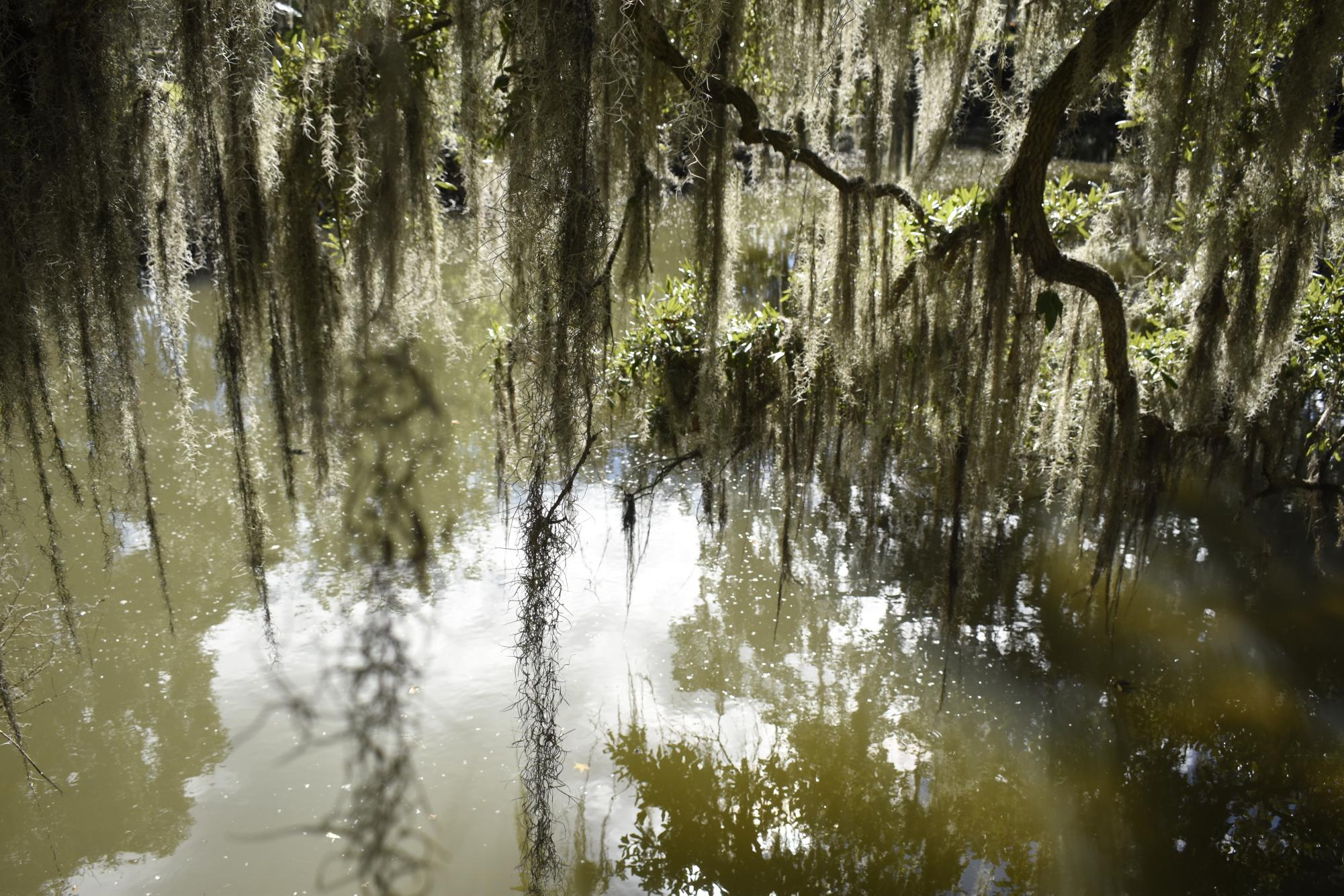
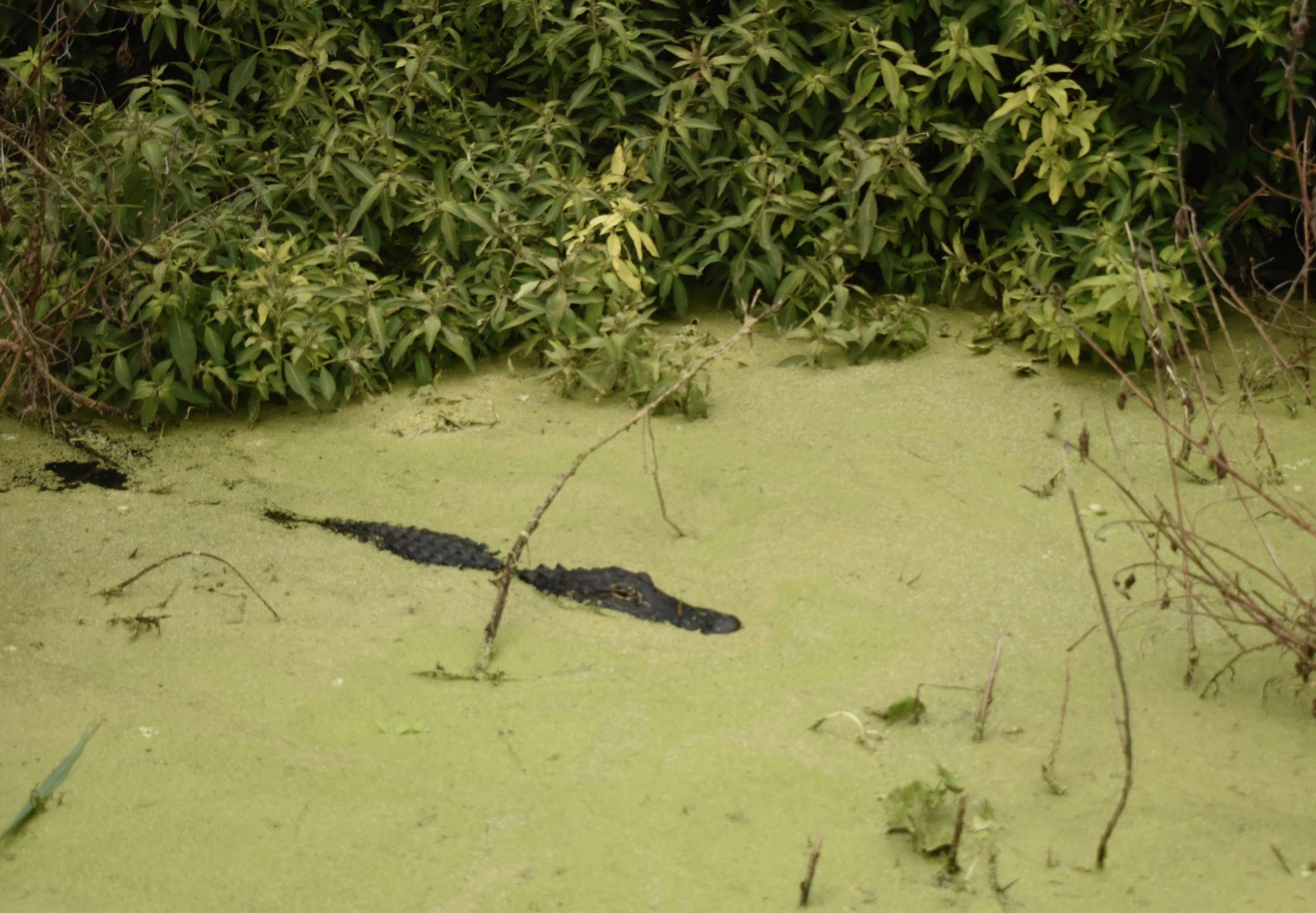
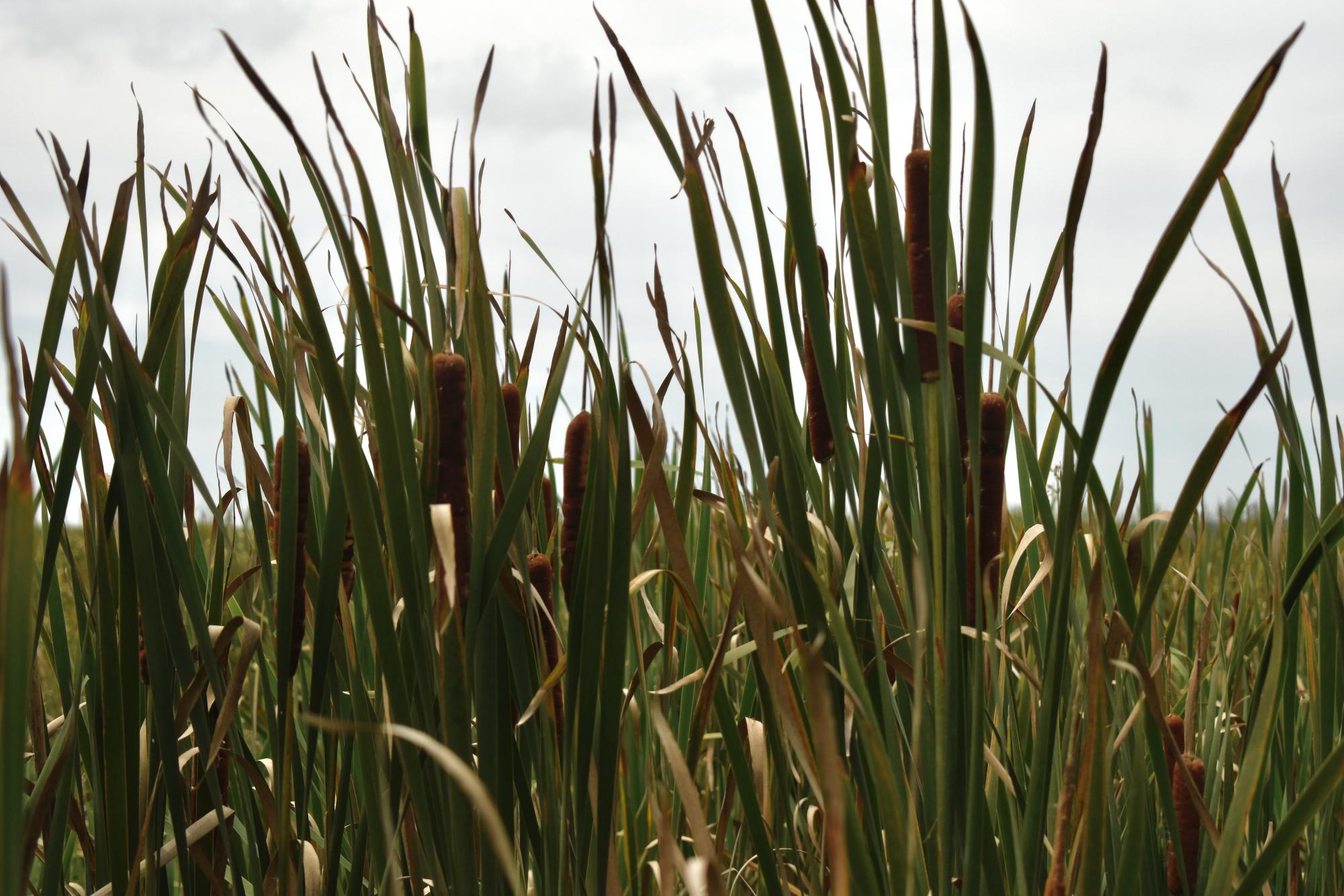
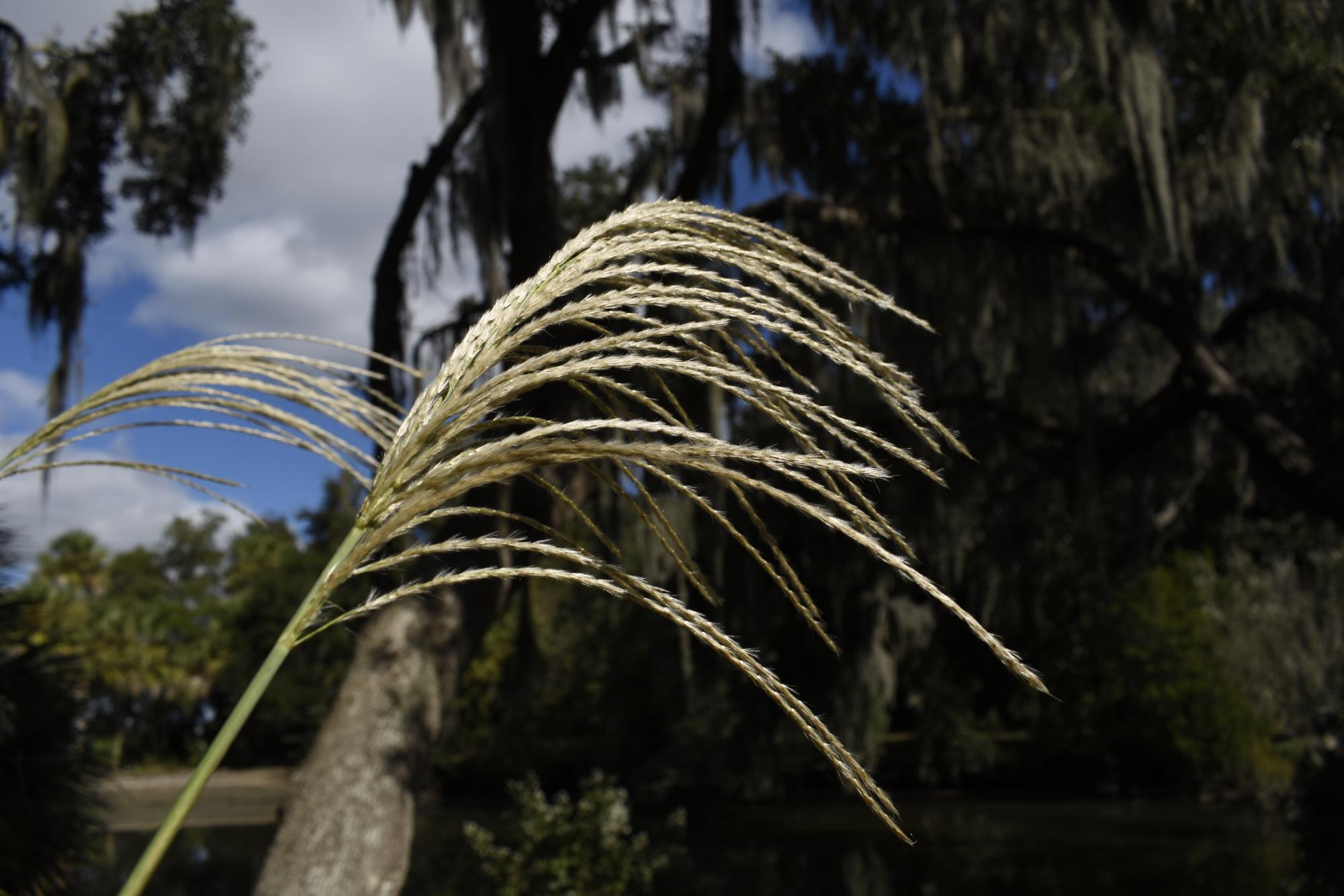
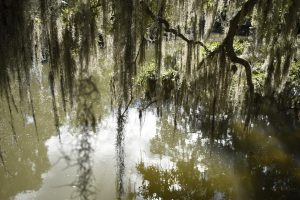
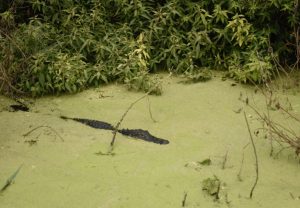
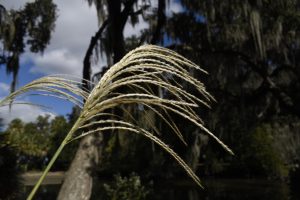
In November 2025, the Environmental Protection Agency announced a proposed rule that would leave millions of acres of the nation’s wetlands without federal protection. The EPA’s proposal spares roughly 80% of the nation’s protected wetlands for development, potentially putting water quality, coastal flood drainage and wildlife habitats at risk.
“Waters of the United States” Proposed Rule
“Waters of the United States” refers to the federal government’s jurisdiction over the nation’s waterways as outlined in the Clean Water Act (1972). The Clean Water Act grants the EPA and the United States Department of the Army the authority to define what “waters of the United States” are via regulation. The Clean Water Act also manages the amount of pollutants released into the United States’ waters and enforces quality standards for surface water. Under the Clean Water Act, industries must obtain a permit from the EPA before contaminating federal waterways.
The goals of the Clean Water Act were to eliminate the discharge of pollutants into the United States’ navigable waters by 1985 and to provide a level of water quality suitable for protecting marine life and wildlife by July 1, 1983.
Under the Trump administration, however, the goalpost has shifted to favor the interests of businesses, developers and farmers who have lobbied against the Clean Water Act’s regulations.
“No longer should America’s landowners be forced to spend precious money hiring an attorney or consultant just to tell them whether the Water of the United States is on their property. EPA is delivering on President Trump’s promise to finalize a revised definition for WOTUS that protects the nation’s navigable waters from pollution, advances cooperative federalism by empowering states, and will result in economic growth across the country,” said EPA Administrator Lee Zeldin.
Wetlands are areas where water covers the land year-round or for a portion of the year. The new definition, as laid out by the EPA, would exclude streams that only flow for certain parts of the year, typically during “wet season.” It would also strip protection for rain-dependent or ephemeral streams, which flow after precipitation – especially following long periods of rain or hurricanes.
The rule was opened for a 45-day public comment period that ended on Jan. 5, 2026, and a final decision on whether or not to adopt the new proposed definition is expected this year.
Why are Wetlands Important to Coastal Georgia?
Heather Joesting, Ph.D, is a coastal plant ecologist and a professor at Georgia Southern University’s Armstrong Campus, who specializes in ecology and the nursery production of marsh grass.
Joesting emphasises the role of coastal Georgia’s wetlands in pollution attenuation, flood mitigation, juvenile fish habitats, carbon sequestration and biodiversity.
Joesting explained how building developments over marshes result in “coastal squeeze,” which refers to the loss of coastal wetlands as a result of rising sea levels and man-made barriers.
“When you put property in the marsh, the marsh has nowhere to go,” said Joesting. “That can impact the persistence of the marsh and sea level rise.”
“We also often change the hydrology of things when we build, so you change the way creeks divert, or you add more water in. A lot of the water from Savannah kind of drains down into the marsh. So just having coastal communities near the marsh will contribute to pollution,” said Joesting.
Industries and construction create disruption to fragile ecosystems in coastal Georgia, resulting in flooding in residential areas and home damage. According to a recent study published in Nature Communications, extreme coastal flooding is projected to more than double by 2050 due to greenhouse gas production and contamination. Socially marginalised groups of people are likely to be impacted the most.
The Solution: Advocate for Coastal Communities
Because of the drastic impacts that coastal flooding and pollution have on homes and residents, it is important to recognise how environmental justice aligns with human rights.
There are a few things that can be done on a group and individual level to advocate for the protection of coastal wetlands:
-
Education: Many publications, such as Grist and, more locally, The Current, use science-based data to consistently report on environmental research and policy. However, simply talking to professors or establishing a general understanding of the importance of ecology will allow you to be better informed about your environment.
-
Support environmental protection organizations: volunteering or donating towards organizations such as 100 Miles, Friends of the Everglades or Point Blue Conservation Science is a practical way to support the cause of protecting local wetlands. Many non-profits also provide information regarding legislative action and host online petitions or on-site protests.
-
Be an active voter: Perhaps most importantly, vote! Research candidates who align with the values regarding the environment that you believe in and vote in your state and local elections.