

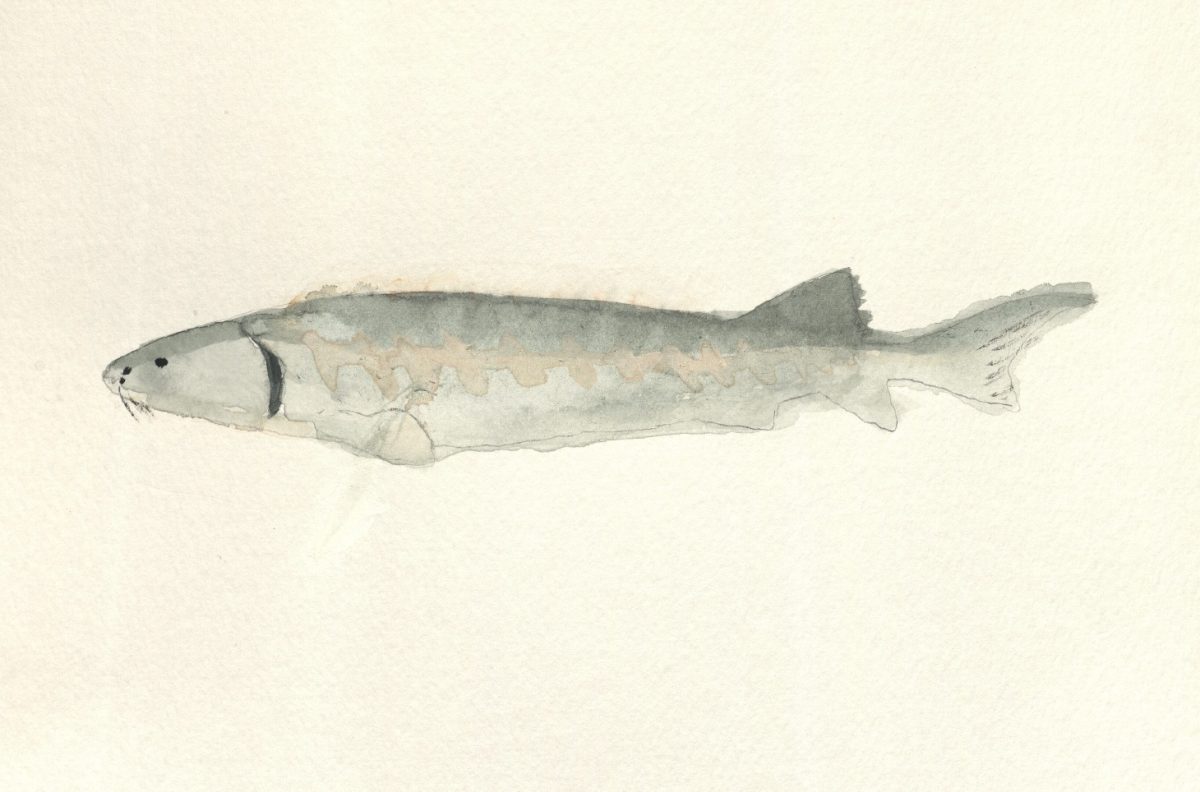
Once prized for their caviar and heavily overfished, Atlantic sturgeon were placed under protection in the late 1990s after their numbers plummeted toward extinction. In 2012, the Atlantic sturgeon was listed as endangered under the federal Endangered Species Act due to a consistently declining population.
With key characteristics like slow biological maturation and dependence on stable environmental conditions, this fish has faced heightened risks in rapidly evolving climates and habitats. They serve as sensitive indicators of river health, particularly when it comes to human-driven changes. Even small shifts in water temperature can threaten juveniles and eggs.
Their gradual return to the Savannah River suggests that some conditions are improving, but scientists emphasize that sturgeon populations respond too slowly to reflect the river’s true overall health.
“I don’t want to say that [their reappearance] is telling us a big story about the health of the Savannah River right now,” said Brett Albanese from the Georgia DNR.
Still, conservation efforts — like managing water flow, reducing dredging impacts and limiting bycatch — have helped create more favorable conditions for the species.
“We’ve seen pretty steady numbers of juveniles recruiting into the population… that’s the positive side,” mentioned Albanese.
Ecosystem Improvements
The Clean Water Act has significantly improved water quality in the Savannah River, with stricter pollution regulations and the creation of stricter protections and regulations for water quality standards. “Sturgeon are dependent on good water quality … and the better water quality coming down those rivers is going to benefit them,” said Albanese.
To counter low dissolved oxygen levels, caused by the channel’s artificially deepened, saltier water, systems near Plant McIntosh and Hutchinson Island now inject oxygen into the river. The US Army Corps of Engineers implemented this injection system using “speece cones” for the Savannah Harbor Expansion Project.
Restoring fish passage at the New Savannah Bluff Lock and Dam remains one of the most important steps for long-term recovery, since access to upstream spawning habitat is still limited. Continued coordination on stream-flow releases during low-water periods will also be essential as climate change intensifies drought and temperature stress. Albanese noted that public engagement — from paying attention to water-management decisions to exploring resources like Georgia’s Wildlife Action Plan — will play a growing role in shaping the Savannah River’s future.
The Biggest Barriers
“One of the biggest threats to sturgeon is failure to access spawning habitat,” Albanese said. When large debris is moved or removed from rivers, it reduces the habitats of many species — including Atlantic sturgeon. Climate change is also a big factor as warming waters or droughts create further habitat loss. These threats make this comeback feel hard-won, not inevitable. “If you have climate change warming waters in conjunction with a drought, you could really lose a lot of habitat in the lower reaches of those rivers,” said Albanese.